Electroplating

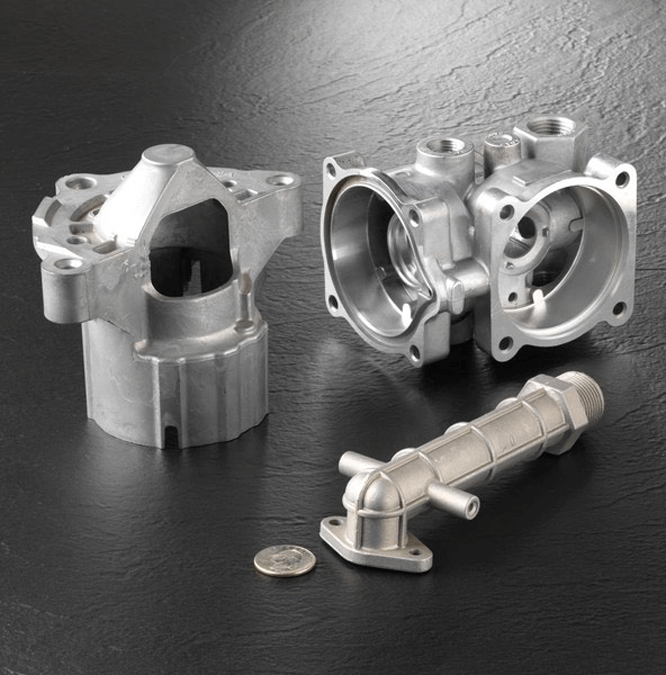
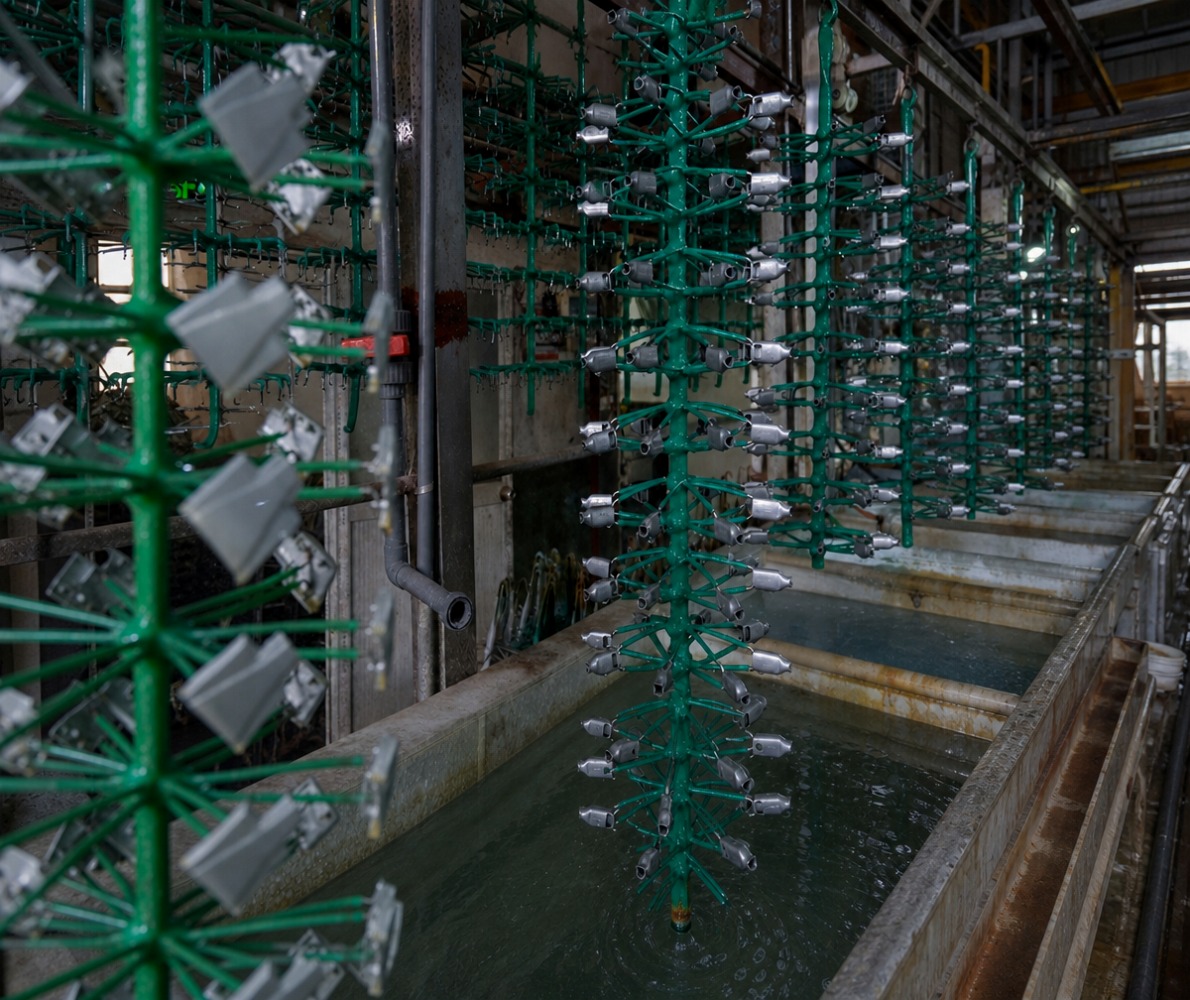
Electroplating is an important surface finishing process for die casting parts, used to improve appearance, corrosion resistance, durability, and overall product value. By applying a layer of metal coating such as chrome, nickel, copper, or other finishes, die cast parts can achieve a decorative and protective surface. The electroplating process usually includes cleaning, surface preparation, polishing, pre-treatment, plating, and quality inspection. Proper surface preparation ensures strong coating adhesion and a smooth, uniform finish. For zinc alloy die castings, electroplating is widely used to achieve high-quality metallic effects for automotive parts, bathroom hardware, furniture accessories, and decorative components. With professional process control, electroplated die casting parts can achieve excellent appearance, stable performance, and long-lasting durability to meet various application requirements.
Inquire

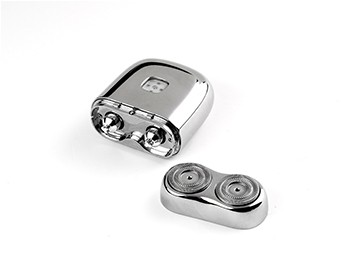
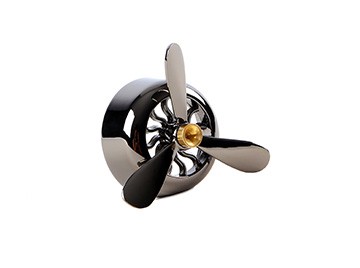
Electroplating Sample Display

Electroplated Hundred Chrome

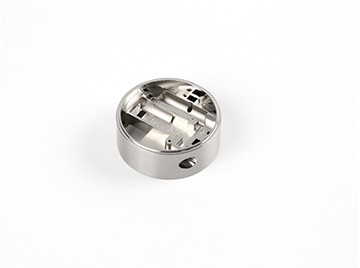
Electroplated nickel color

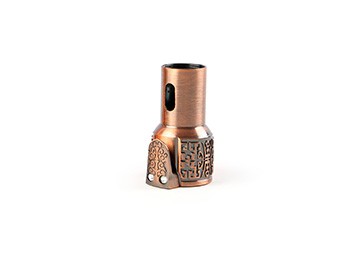
Electroplated red bronze brushed

Electroplated pearl chrome

Electroplated black

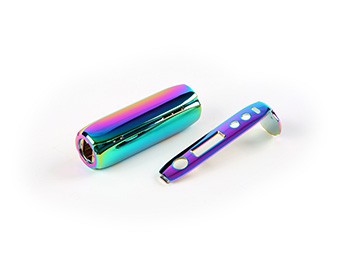
Electroplated heptachrome

Our Plating Surface Treatment Advantages

With Plating Department

Professional Team

Strict Quality Control System

With Plating Department

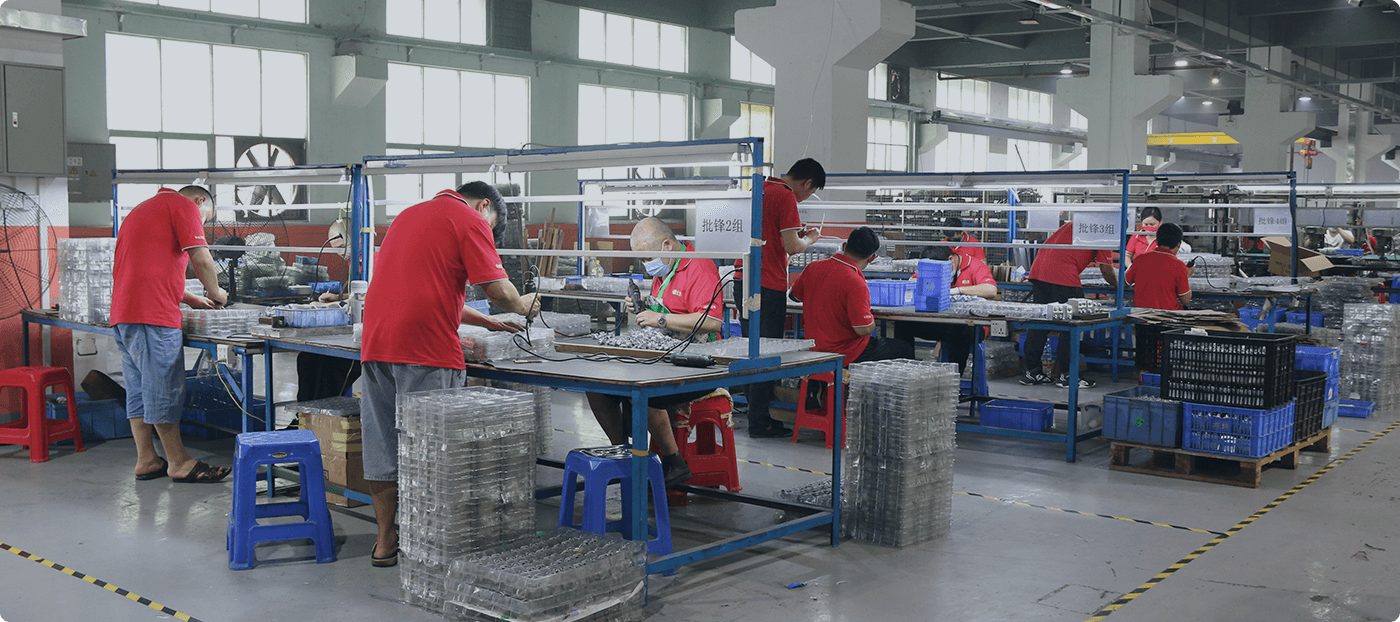
With 18 years of die casting experience, set up its own electroplating surface treatment workshop, full of materials, quality assurance.

Professional Team

More than 10 plating masters with more than 10 years of experience, the product plating color is bright and full of texture, the rate of good quality up to 98.9%.

Strict Quality Control System

We will carry out strict quality control from raw materials to finished products, according to your product requirements, 1 to 1 full inspection, we also have our own laboratory, electroplating surface treatment products can comply with rohs certification.

Plating Considerations

Precautions

  • Avoid cross-contamination. Cross-contamination is the previous process solution or impurities brought into the plating tank, causing plating solution contaminants, once the plating solution pollution deposited to a certain level, will be difficult to deal with, and may even cause greater economic losses

  • Tolerances should take into account the thickness of the plating, and the ability of parts to fit larger components should take into account all key dimensions and tolerances

  • Plating involves the use of current, which means that the overall collection shape of the part will affect the current distribution on its surface, sometimes even unevenly, however, some advanced plating processes can prevent excessive plating on bends, threads and sharp corners

  • The choice of plating material should be based on the final desired characteristics, such as corrosion resistance, strength, etc.

Contact Us

If you want to know more about our products and services, please leave a message and our elite team will contact you in 12 hours

×

Contact Us

captcha
×

Inquire

*Name
*Email
Company Name
Tel
*Message