HYDieCasting

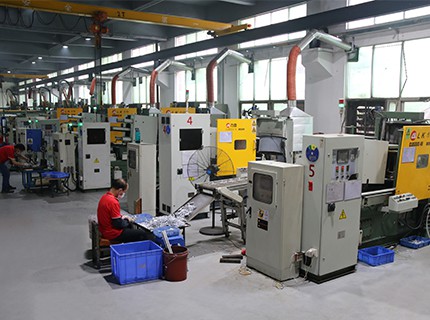
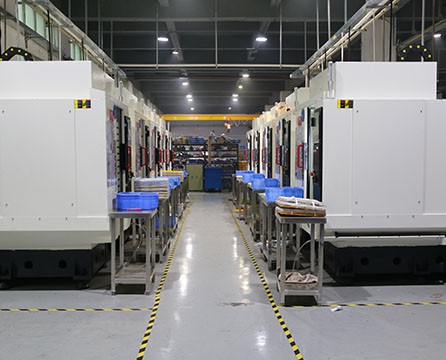
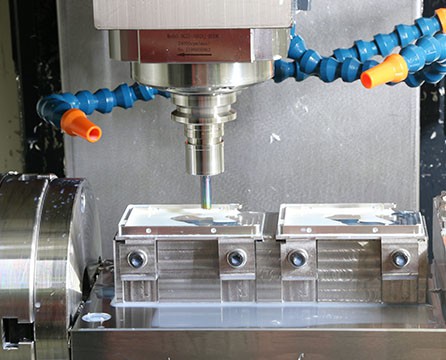
Almost every week our engineering team runs into the same question during drawing reviews: should this custom part go with zinc (Zamak) die casting, or aluminum die casting?
Quite a few customers jump straight to ingot price when comparing materials. But raw‑material cost only tells a small piece of the full story. Tooling lifespan, secondary machining, surface treatment, reject rates and batch consistency all shape your real total‑cost‑of‑ownership (TCO). We have seen multiple projects where a cheaper‑looking ingot choice created far higher hidden expenses later in mass‑production. At Huayin we operate both zinc and aluminum die‑casting workshops. Below we share our hands‑on shop‑floor observations instead of pure textbook datasheet content.
When customers send over RFQ files, a very common opening question is: “Which one is cheaper, zinc alloy or aluminum alloy?”
If you only compare ingot purchase price, the conclusion can be misleading. For any real die‑casting project, your overall expenditure covers more than metal stock:
What truly matters is full‑project TCO, not per‑kilogram ingot price alone.
Use this table to pick your starting material direction. Final manufacturability still needs to be confirmed via CAD‑based DFM review.
| Project Priority | Material to Evaluate First | Main Reason |
|---|---|---|
| Mirror plating, chrome, or gold finish | Zinc alloy | Strong candidate for decorative plating and fine surface details |
| Product weight and solid premium hand feel | Zinc alloy | Higher density fits premium hardware and decorative components |
| Lightweight‑focused design | Aluminum alloy | Lower density gives clear advantage for larger housings |
| Heat‑dissipation requirement | Aluminum alloy | Preferred starting point for heat‑sink housings and fin structures |
| Anodized surface finish | Aluminum alloy | Requires alloy‑by‑alloy validation for die‑cast grades |
| Small‑size parts with intricate complex structures | Zinc alloy | Better molten‑metal flow for reproducing fine details |
| Large‑size structural components | Evaluate aluminum first | Better path toward light weight and structural stiffness |
| EMI‑shielding performance | Zinc or aluminum | Final result also depends on enclosure joint and grounding design |
Standard Zamak grades run on hot‑chamber die‑casting machines. Aluminum die‑casting, by contrast, mostly uses cold‑chamber equipment. Note that special high‑aluminum ZA series alloys need separate evaluation for alloy formula and machine compatibility.
Thanks to lower melting temperature, zinc delivers excellent flow behaviour and works great for small, highly‑detailed decorative parts. Aluminum’s low density makes it attractive for lightweight structures, heat‑dissipation shells and big load‑bearing components.
From our daily DFM practice: wall‑thickness layout, rib design, cooling layout and porosity risk often impact final part quality even more than your material selection itself.
Zinc runs at lower processing temperature and creates less thermal shock on die steel. This is why zinc tooling performs well for high‑volume small‑component projects. Still, real mold shot‑life cannot be given as a fixed number; it changes with die design, cooling setup, alloy grade, injection parameters and daily maintenance work.
Aluminum dies endure heavier thermal cycling. Their usable service life is affected by melt temperature, injection speed, cooling layout, part geometry and maintenance frequency.
When you receive tooling quotations, we suggest asking your supplier to clarify these points:
Zinc alloys offer good flow performance and stable dimensional behaviour. Well‑designed die‑casting tools can produce near‑net‑shape parts and cut down subsequent CNC workload. For threaded positions, assembly datums or marking features, smart tool layout helps reduce post‑casting milling and drilling work.
Aluminum can also reach good dimensional accuracy. Still, parts with multiple machined holes, sealing surfaces or tight assembly datums will usually require CNC, tapping or milling operations to hit drawing requirements.
Near‑net‑shape casting reduces but cannot eliminate machining work. Your drawing tolerances define real limits. Key influencing factors include:
Hot‑chamber zinc die‑casting supports stable, repeatable mass‑production for small‑to‑medium complex components. Cold‑chamber aluminum die‑casting targets medium‑to‑large structural parts; every new geometry needs fine‑tuning for melt transfer, filling, cooling and ejection parameters.
For high‑volume small‑size parts, zinc often gives better TCO when longer mold life and less secondary machining offset raw‑material gaps. For large housings where weight and thermal performance dominate requirements, aluminum normally becomes the logical starting option. Real calculation needs your actual annual volume plus quotations for tooling, machining and surface finishing.
Plating, PVD and anodizing follow completely different technical workflows. We always advise customers to fix your target appearance first, then work backwards to select base alloy, casting standard, pre‑treatment and final coating specification.
Zinc die casting alloys, especially Zamak 3, are widely selected for projects demanding fine as‑cast surfaces, stable dimensions and reliable decorative plating. Common finish options include:
Plating yield does not purely depend on alloy grade. Good casting quality, controlled polishing, thorough cleaning and pre‑treatment all matter. Sub‑surface hidden porosity will trigger blisters or pin‑holes during high‑temperature finishing cycles. That means gate, overflow and vent design already decide many cosmetic risks at the mold‑building phase.
Typical surface treatments for aluminum die‑cast components:
Aluminum is the natural candidate if you plan for anodizing. But popular die‑cast aluminum grades such as ADC12 or A380 cannot deliver the same stable anodizing result as wrought aluminum. Silicon content, porosity, surface preparation and batch variation will create color inconsistency. If controlled anodized appearance is your core requirement, confirm alloy selection, surface condition and sample‑approval rules before cutting tool steel.
| Target Appearance | Commonly Evaluated Material Route | Main Considerations |
|---|---|---|
| Mirror chrome, gold plating, gun‑metal electroplating | Zinc alloy is commonly used | Control porosity, surface pits, polishing allowance and pre‑treatment |
| Metallic‑colour PVD coating | Zinc or aluminum | Check substrate roughness, surface cleaning, pre‑treatment and coating adhesion |
| Anodizing finish | Aluminum, needs alloy‑specific validation | ADC12 / A380 behave differently from wrought aluminum; lock in alloy and approved samples |
| Sand‑blasted matte finish | Zinc or aluminum | Standardize blasting media, pressure and target surface roughness |
| Powder‑coating | Zinc or aluminum | Evaluate pre‑treatment, edge‑coverage and corrosion‑test requirements |
| Brushed or CNC‑machined texture | Common on aluminum; achievable on zinc | Control machining direction, texture depth and batch‑to‑batch consistency |
This table delivers directional guidance for early‑phase material screening. Real‑world performance still needs verification via material certificates, casting trials and customer‑specified inspection standards. You can read our dedicated article for deeper comparison: Zamak 3 vs Zamak 5.
| Comparison Item | Zamak 3 / Zamak 5 | ADC12 / A380 |
|---|---|---|
| Density | Higher; good for products needing solid hand‑feel and mass | Lower; clear advantage for lightweight‑oriented designs |
| Thin‑wall filling capacity | Usually favourable for small, intricate complex parts | Thin‑wall feasible, strongly depends on runner layout and filling parameters |
| Decorative electroplating | Well‑established mass‑production solution | Demands very tight pre‑treatment and multi‑layer under‑coating control |
| PVD coating feasibility | Possible | Possible |
| Anodizing suitability | Not compatible with standard wrought‑aluminum anodizing workflow | Must validate alloy grade, surface state and target colour output |
| Heat‑dissipation performance | Works for simple structures, not first‑choice for dedicated heat‑sinks | Preferred starting point for heat‑dissipation housings and fin structures |
| Hardness & wear‑resistance | Zamak 5 delivers higher hardness than Zamak 3; follow specification requirements | Varies heavily by exact aluminum alloy grade and heat‑treatment status |
| Long‑term high‑temperature service | Evaluate working temperature plus creep‑load conditions carefully | Better candidate for large lightweight structures; real‑world validation is still required |
| Complex small‑size decorative parts | Well‑suited for fine decorative details and compact structures | Watch out for thin‑wall cold‑shut risk and sufficient machining allowance |
| Large‑scale structural components | Need careful handling for weight, cooling and distortion risk | Generally more suitable for large lightweight structural designs |
Zinc alloys feature higher density compared with aluminum. For smart‑lock hardware, furniture fittings and luxury perfume caps, that extra mass creates the solid premium hand‑feel consumers expect. For handheld portable devices or big‑size housings, aluminum’s lightweight property becomes the obvious advantage.
Smart lock front‑panel projects illustrate these trade‑offs very clearly. If your selling points are bright plated cosmetic surfaces and weighty metal touch, zinc deserves priority review. If you focus on light‑weight design, thermal management or anodized finish, aluminum will make more sense.
| Design Route | Zinc Alloy Option | Aluminum Alloy Option |
|---|---|---|
| Core advantages | Solid hand‑feel, complex decorative details, mature plating workflow | Lower weight, heat‑dissipation capability, viable anodizing route |
| Key risks to watch | Panel flatness, subsurface porosity, dimensional shift post‑plating / PVD | Thin‑wall filling difficulty, shrinkage near ribs, anodizing colour deviation |
| Target product positioning | High‑end residential locks, flagship decorative lock products | Commercial hotel locks, lightweight electronic lock series |
| Confirm before mold building | Surface‑finish requirement, assembly datum, flatness target value | Weight target, thermal path layout, mounting‑stiffness requirement |
From our project experience: lock in appearance target and structural priorities before comparing tooling and CNC cost. Bright chrome plating plus weighty tactile feel points toward zinc; light‑weight housing, heat path requirement or anodized look pushes you toward aluminum. Whatever material you pick, always validate it against CAD model, finish samples and inspection plan.
Zinc usually performs better for tiny engraved lettering, embossed textures and complex slide‑mechanism details. Aluminum works great for large structural pieces, yet thin‑wall zones need close management for cold shuts, porosity risk and filling balance.
For heat‑critical housings, start analysis from your thermal path: heat source, contact area, fin geometry, wall‑thickness and working temperature. Aluminum is normally our first recommendation for these use‑cases. Zinc also delivers metallic thermal conductivity and EMI‑shielding ability, yet material selection cannot compensate a poorly‑designed thermal‑enclosure layout.
Strength, hardness and elongation differ between individual zinc grades. Zamak 5 is harder and stronger than Zamak 3 but sacrifices ductility. Special ZA‑series alloys fit certain high‑strength or wear‑resistant scenarios, though casting and finishing workflows need separate review.
Aluminum shines for projects prioritizing weight‑to‑stiffness ratio. For long flat panels, alloy grade is only one factor. Wall‑thickness distribution, rib layout, die cooling, gating system, ejector sequence and post‑casting straightening all control final flatness performance.
| Application Scenario | Material to Evaluate First | Selection Rationale | Key Points For Confirmation |
|---|---|---|---|
| Premium smart‑lock front panels | Zinc or aluminum | Zinc for hand‑feel & decoration; aluminum for lightweight performance | Panel flatness, fingerprint‑module assembly, dimensional shift after finishing |
| Perfume caps & furniture hardware | Zinc alloy | Strong fit for complex details, electroplating and PVD cosmetic requirements | Porosity risk, polishing allowance, parting‑line location, plating pre‑treatment |
| Consumer‑electronic housings | Zinc or aluminum | Zinc for EMI‑shielding & fine thin‑wall details; aluminum for lightweight & heat dissipation | Wall‑thickness, thermal‑path design, shielding requirement, CNC and surface‑texture targets |
| LED lighting & heat‑dissipation housings | Aluminum is often evaluated first | Light‑weight advantage plus mature heat‑sink fin manufacturing route | Fin filling quality, distortion risk, porosity, thermal‑resistance, mounting‑plane flatness |
| Automotive interior decorative components | Zinc or aluminum | Zinc for decorative appearance and tactile feel; aluminum for weight reduction | Wear‑resistance, chemical‑resistance, colour consistency, assembly tolerance, batch stability |
| Load‑bearing connectors & friction‑prone wear‑parts | Evaluate by alloy grade & load‑condition | ZA alloys / zinc alloys / aluminum alloys are all potential candidates | Actual load value, fatigue requirement, creep behaviour, bearing performance, whole production workflow |
Use this table to narrow your initial candidate material. Before tool‑steel cutting, finalise your DFM review with CAD data, material requirements, annual volume and finish‑sample standards.
Work through these six key questions before you start mold manufacturing:
Good DFM review treats material selection, gating layout, cooling design, secondary‑machining and surface‑finishing as one connected package. Fixing these items before mold‑cutting costs far less than reworking after sampling failure.
When you send RFQ documents to potential die‑casting partners, we recommend requesting these deliverables together with unit‑price quotation:
A reliable manufacturing partner delivers more than just a unit‑price number. Quotation documents should clarify material selection, full process scope, inspection coverage and delivery conditions.
Q1: Is zinc die‑casting always more expensive than aluminum die‑casting?
A: Not at all. For high‑volume small complex components, zinc can deliver better total‑project cost, when longer mold‑life and reduced secondary‑machining offset raw‑material gaps. Aluminum makes more economic sense for large lightweight structures. Always compare material consumption, tool‑life, cycle‑time, CNC workload, finishing requirement and total order volume together.
Q2: Which material works better for electroplating and PVD coating?
A: Zinc (especially Zamak 3) is the mainstream starting‑point for decorative electroplating. PVD works differently: final visual quality depends on base‑substrate casting quality, polishing, cleaning, sealing or base‑coating plus matching coating system.
Q3: Can aluminum die‑casting achieve mirror‑grade appearance?
A: Technically possible, yet you need correct alloy grade, high‑quality as‑cast surface, strict pre‑treatment and matching coating workflow. For high‑reflective complex decorative plating, always rely on physical sample approval instead of only reading datasheet parameters.
Q4: For smart‑lock housing projects: zinc or aluminum?
A: If solid hand‑feel, decorative plating and fine details are your top priorities, start evaluation with zinc. If lightweight design or heat‑dissipation performance is key, aluminum becomes more suitable. You still need to check panel dimension, flatness after finishing and rib layout in CAD review.
Q5: Which material fits high‑volume mass‑production better?
A: Both support high‑volume manufacturing. Zinc has advantages for repeatable small complex decorative parts; aluminum targets large lightweight structures. Real production capacity is finally decided by tool‑life, cavity‑count, equipment setup and maintenance arrangement.
Q6: What information should my supplier provide before mold‑cutting?
A: Before you commit to tooling, ask for alloy recommendation, DFM risk‑points, proposed parting‑line and gate layout, critical‑dimension inspection plan, surface‑finish suggestion and sample‑approval workflow. For high‑appearance parts, written defect‑acceptance criteria plus physical golden‑sample reference are mandatory.
Q7: How do we lower porosity, pin‑hole and plating‑blister defects on die‑cast components?
A: Risk‑reduction starts inside die‑casting workshop: raw‑material purity, melt treatment, runner‑vent‑overflow design, die temperature and injection parameters. Polishing and pre‑treatment decide how much remaining risk shows on finished surfaces. Plating process itself cannot repair internal casting porosity hidden underneath metal skin.
Q8: Can Huayin evaluate both zinc and aluminum options for my part?
A: Yes. Submit your 3D CAD files, target annual volume, operating‑environment requirements, critical‑dimensions and surface‑finish specifications. Our team will compare zinc and aluminum technical routes against your part geometry, cost‑target and appearance requirements and return a complete DFM plus manufacturing‑route assessment.
Q9: How should I compare different die‑cast alloy grades?
A: Common comparison pair is Zamak 3 / Zamak 5 versus ADC12 / A380. Always start from your real‑project priorities: strength, weight, heat‑dissipation, appearance and machining requirement. Then cross‑check selected alloy against material certificate, casting‑process condition, surface‑finish requirement and customer acceptance‑standard.
Q10: When should we bring die‑casting supplier into design‑review work?
A: Involve your supplier after 3D structure is reasonably finalised and before you start mold‑cutting. At this stage wall‑thickness, ribs, parting‑line, gate and vent layout can still be adjusted easily. Waiting until sampling or mass‑production phase forces expensive mold‑rework, finishing trouble and project‑schedule risk.
Neither zinc nor aluminum wins every application scenario. Zinc tends to stand out when decorative finish, fine details and weighted hand‑feel are critical. Aluminum becomes preferable when lightweight, heat‑dissipation performance and large‑size structure dominate your requirements.
To get meaningful comparison results, send more than just your target unit‑price expectation. Share 3D CAD files, expected annual volume, reference finish‑samples, critical‑dimensions and performance requirements. Your supplier can then compare alloy choice, tooling, machining and surface‑finishing options under your real‑project boundary‑conditions.
If you are working on new custom die‑cast components and want a professional zinc‑versus‑aluminum material comparison plus DFM risk assessment, send over your CAD drawings. Huayin’s engineering team provides free project‑oriented technical evaluation. Visit https://www.hydiecasting.com/ to submit your project inquiry.