HYDieCasting

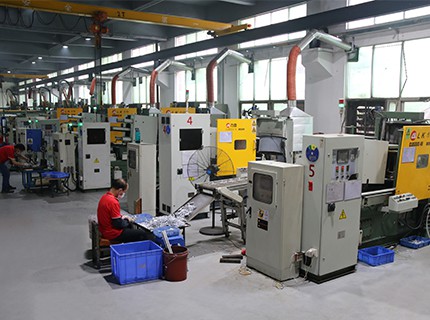
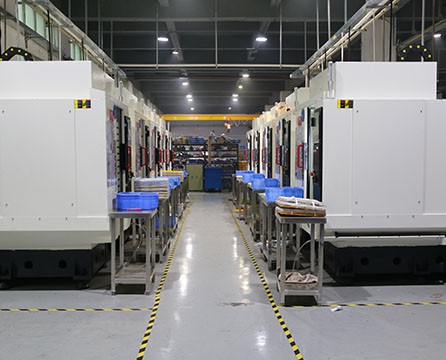
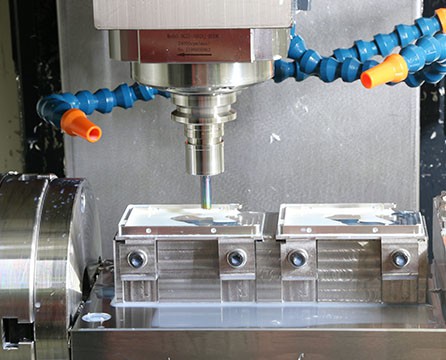
A zinc die casting prototype is useful when the team needs to learn from a real metal part before committing to full production. The prototype can reveal problems that are difficult to judge from a CAD model alone: filling around thin sections, draft and ejection marks, boss behavior, thread access, trimming, polishing and the visual response of the selected finish.
If you only have 30 seconds, use this first screening guide. The final route still needs to be confirmed against the part, quantity, finish and inspection plan.
The short version is simple: use development-oriented tooling to learn while the design is moving; consider production-intent tooling when the design, volume and approval criteria are ready for a longer production path.
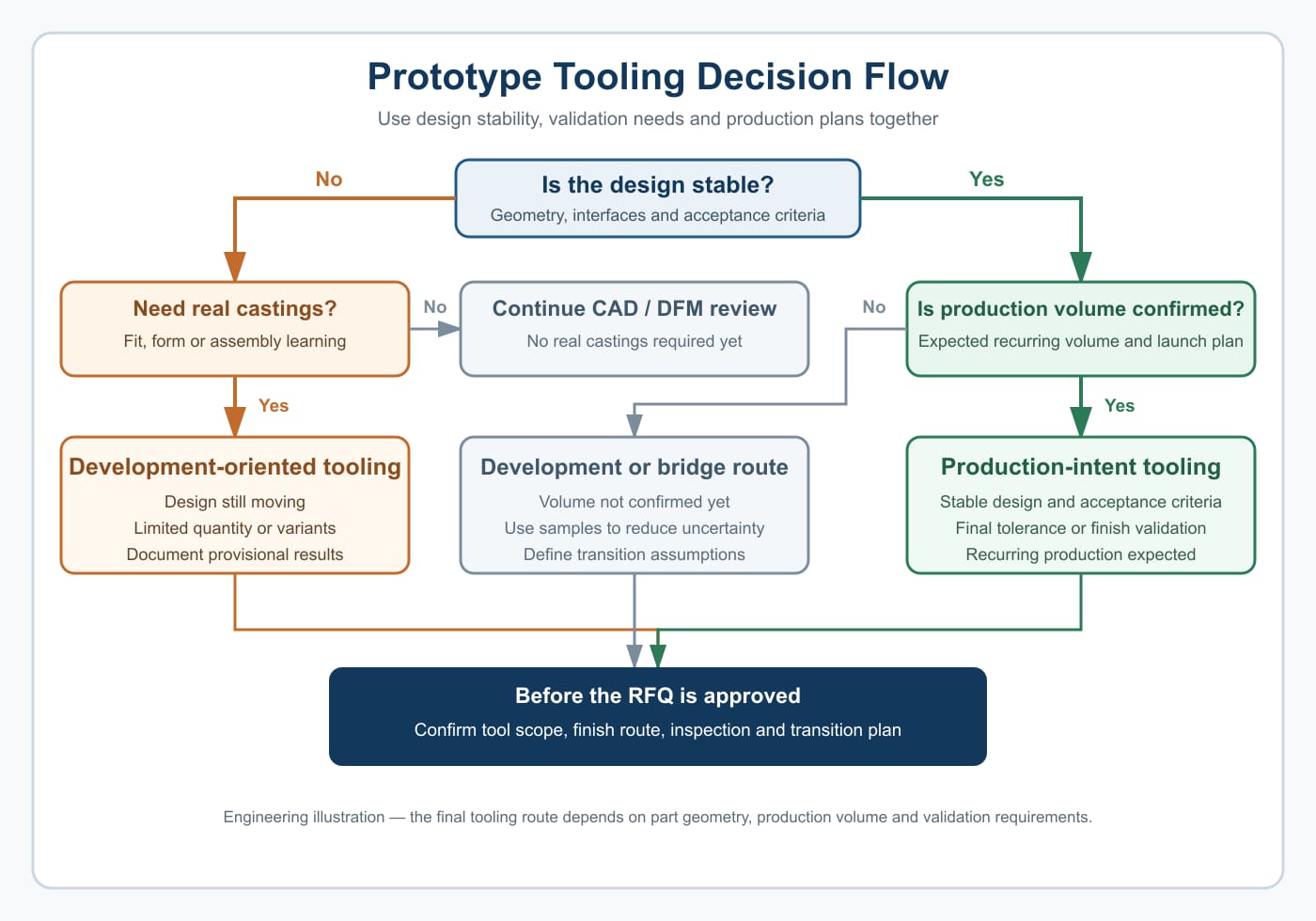
The tooling decision should therefore be linked to the purpose of the prototype. Are you checking the overall form? Are you validating assembly? Do you need a representative plated surface? Are you close to a production launch? The answer changes the right tooling route.
For a broader review of material, tooling and production requirements, see the [Zinc Alloy Die Casting service page](https://www.hydiecasting.com/products-category/zinc-alloy-die-casting.html) and the [Die Casting Mold capability page](https://www.hydiecasting.com/products-category/die-casting-mold.html).
A prototype mold is part of the engineering process, not just a way to make an early sample. If the tool does not represent the intended production geometry or process route, the team may approve a design that later changes during production tooling. That can create a second round of samples, new finish approvals and additional assembly checks.
The risk is especially important for zinc parts with visible cosmetic areas, thin walls, deep cavities, threaded bosses or several secondary machining features. The prototype plan should state which questions the sample must answer and which questions will remain open until production tooling.
In practical zinc die casting projects, “soft tooling” is often used as a commercial or development term rather than a single standardized mold specification. The actual construction, tool material and expected life should therefore be confirmed with the supplier. In this article, the term refers to a temporary, limited-life or development-oriented route used to produce early parts.
Depending on the supplier and project, the practical difference between development-oriented tooling and production-intent tooling may involve tool material, tool construction, expected tool life, number of cavities, cooling design, slide and insert complexity, maintenance requirements and the ability to support recurring production. These are review points, not absolute rules. The exact configuration should be confirmed in the tooling quotation.
Review zinc die casting mold and tooling capability
A temporary or development-oriented tool may be considered when the design is still being refined, the quantity is limited, or the team needs real castings for fit and function before investing in a production-intent mold. It may also be useful when several design variants need to be screened.
Soft tooling can provide valuable evidence about part geometry, basic filling behavior, assembly interfaces and selected secondary operations. It may not reproduce every aspect of a final production tool, including long-term tool wear, final cycle conditions, production cavity balance or the exact appearance route. These limits should be written into the prototype approval plan.
Hard tooling generally refers to a production-intent mold designed for repeated zinc die casting cycles. It is normally considered when the geometry is sufficiently stable, the target quantity justifies the investment, and the samples need to represent the expected production route more closely.
A production-intent mold may be appropriate when the part will move directly into recurring production, when cosmetic approval must be representative, or when the design contains features that need final tooling conditions for a meaningful validation. It is also worth considering when the cost of repeating prototype work would exceed the value of learning from a production-intent sample.
Before approving hard tooling, review the cavity layout, gate and overflow strategy, venting, slides, inserts, ejection, cooling, maintenance access and expected inspection datums. The tool should support the agreed part design and the inspection plan, not only produce a visually acceptable first sample.
|
Decision area |
Soft or development-oriented tooling |
Hard or production-intent tooling |
|
Design stage |
Useful when geometry and requirements are still being refined |
More suitable when the design and acceptance criteria are stable |
|
Main purpose |
Early learning, fit, form and limited functional samples |
Representative validation and recurring production |
|
Quantity |
Limited or uncertain quantities |
Planned recurring volume or larger production programs |
|
Finish validation |
May support selected finish checks; confirm representativeness |
Better suited when final finish approval must reflect production intent |
|
Dimensional review |
Useful for key interfaces, with tooling limits documented |
More suitable for final datums, tolerances and capability review |
|
Change flexibility |
May be easier to revise during early development |
Changes after release can affect cost, schedule and tool modification |
|
RFQ discussion |
Define what is included and what remains provisional |
Define tool scope, maintenance, inspection and production assumptions |
This table is a decision aid, not a universal rule. The supplier should explain the proposed tooling route, its limits and how the samples will be used.
Low-volume zinc die casting is often where tooling decisions become difficult. The part quantity may be too high for a purely manual or machined prototype, but too uncertain to justify a full production mold without further learning. A development-oriented route can be considered when the project needs real castings, while a production-intent mold may be more efficient when the same geometry is expected to continue into recurring production.
For a low-volume quote, ask the supplier to separate the tool cost, sample cost, finishing, machining, inspection and any later tool-change assumptions. This makes a custom zinc die casting prototype easier to compare with alternative prototype methods.
Prototype tooling is primarily designed to answer development questions. Production tooling is designed around repeatable cycles, maintenance, inspection, expected volume and the agreed production route. The distinction is not only the tool material. It also includes the cavity plan, process assumptions, finish route, dimensional targets and the amount of production evidence required.
A meaningful price cannot be determined from the phrase “prototype mold” alone. Zinc die casting prototype tooling cost depends on part size, geometry, slides and inserts, number of cavities, expected sample quantity, alloy, surface finish, CNC work, inspection scope and the possibility of later production tooling. For this reason, a supplier should quote the complete development route rather than only a mold price.
A practical total-development-cost framework is:
This framework does not predict a project price. It helps engineering and purchasing teams compare the full route and avoid selecting a low initial mold price that creates a more expensive transition later.
Sometimes a development-oriented tool can support additional learning or limited production, but conversion should never be assumed. The answer depends on the tool construction, expected life, cavity condition, dimensional requirements, maintenance plan, production volume and finish expectations. Ask the supplier whether the prototype tool is intended to be modified, reused or replaced, and record that assumption in the quotation.
At this stage, focus on the part function, material direction, wall-thickness balance, draft, fillets, bosses, openings and likely machining datums. A CAD review may identify changes that are less expensive to make before any tool is released.
The prototype should answer a defined list of questions: Does the part fit? Are the interfaces accessible? Is the cosmetic zone realistic? Which features need trimming, tapping or CNC? Record which results are representative and which require confirmation in production tooling.
Review quality control and inspection planning
Before production release, confirm the approved alloy, tool design, finish route, inspection method, packaging requirements and production quantity. The transition from prototype to mass production should be a controlled engineering decision, not an automatic assumption.
A customer is still adjusting button openings, fingerprint-module interfaces and internal bosses. The housing has both visible exterior surfaces and functional assembly features.
Recommended route: development-oriented tooling or an early validation route.
Why: the design is still likely to change, and the first samples should focus on fit, interface access, boss location, wall balance and the relationship between the visible surface and the internal structure.
A customer needs electroplating approval before launching production. The appearance of the casting substrate, trimming and polishing route may influence the final finish.
Recommended route: production-representative tooling should be considered.
Why: the surface decision is part of the product approval. A sample made through a non-representative route may not answer the cosmetic question the customer actually needs to resolve.
The design is stable, annual volume is confirmed, and critical dimensions and assembly datums are fixed. The project is close to recurring production.
Recommended route: production-intent tooling.
Why: the team needs to validate the final geometry, inspection method, production assumptions and repeatable assembly interfaces rather than only explore an early concept.
Record the proposed alloy grade in the RFQ and sample documents. If the project is still comparing grades, identify what each sample is intended to prove. Do not treat a prototype made from one grade as automatic validation for another grade without a documented review.
If the product will be polished, electroplated, PVD-coated, painted or powder-coated, define the representative surface areas before sampling. A finish sample should use the intended alloy and a representative casting surface whenever the appearance decision is important.
Review zinc alloy electroplating capability
Check the interfaces that control function: threads, holes, sealing faces, datums, fastener seats and clearances. Agree which dimensions are critical, how they will be measured and whether the report should include a first-article or full-dimensional review.
Review CNC secondary machining for die cast parts
A clear RFQ helps the supplier recommend a tooling route instead of quoting a mold in isolation. Include the following information:
Ask the supplier to separate tooling, sampling, finishing, machining, inspection and production assumptions in the quotation. Also ask what can be reused when the project moves from development tooling to production tooling.
Not necessarily. The total project cost depends on tool construction, changes, sample quantity, finishing, machining and whether a second production tool will later be required. Compare the full development route rather than only the initial mold price.
That depends on the tool design, expected life, part requirements and supplier validation. A supplier should state the intended use and limitations clearly. Do not assume that a development-oriented tool has the same production suitability as a production-intent mold.
Review soft or development-oriented tooling when the design is changing, the quantity is limited, several variants are under evaluation, or the team needs fit and assembly learning before committing to production tooling.
Review hard or production-intent tooling when the design is stable, volume is confirmed, cosmetic approval must represent production, and final tolerances or assembly datums need validation.
When the prototype is intended to validate material, finish or machining behavior, using the intended production alloy is usually the more meaningful route. If a different alloy is proposed, document what the prototype can and cannot prove.
Consider direct production tooling when the design is stable, the production route is clear, the volume justifies the investment and the samples need to represent final tooling conditions. A supplier can help compare the cost and risk of a two-step route against a production-intent route.
The quote should identify the tooling route, tool scope, sample quantity, alloy, finish, machining, inspection, expected timing, revision assumptions and what happens if the project proceeds to production.
You can submit the CAD model, drawing, target quantity, finish requirement and project timing through the [Contact and RFQ page](https://www.hydiecasting.com/contact-us.html). The tooling route should then be reviewed together with the part geometry, material and production plan.
Soft tooling and hard tooling are not simply two price options. They represent different development strategies. The right choice depends on how stable the design is, what the prototype must prove, how representative the finish and dimensions need to be, and whether the project is close to recurring production.
Before releasing tooling, write down the decisions the sample must support. Align the alloy, geometry, finish route, CNC features, inspection criteria and production volume. This gives the engineering and purchasing teams a common basis for evaluating the quote and approving the next step.
Not sure whether your project needs development tooling or production-intent tooling?
Send us your CAD model, target quantity and production plan. We can review the part geometry, validation requirements and expected production route before recommending a tooling approach.
Submit Your Zinc Die Casting Prototype Requirement
Include your 2D drawing, prototype quantity, estimated annual volume, material preference and finish requirements for a project review.